6 Best Vintage Film Cameras for Beginners and Analog Enthusiasts
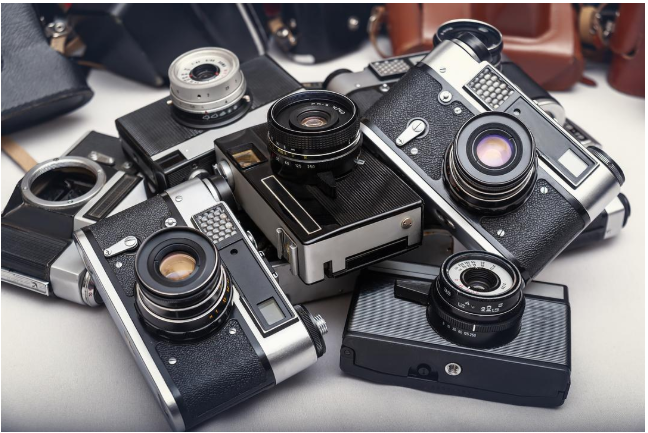
Film photography has a way of slowing life down beautifully. From loading your first roll to hearing the shutter click, every film camera invites intention, patience, and creativity. For many photographers, that hands-on experience is what makes shooting film feel so rewarding.
Whether you're curious about shooting your first roll or ready to invest in a specialty camera that elevates your craft, choosing the best vintage film cameras means understanding what matches your skill level and creative goals.
This guide walks you through everything you need to know before buying a vintage film camera. You'll learn how to match camera features to your experience level, what to inspect when buying used gear, and which specific models deliver the best results for beginners and enthusiasts alike.
How To Choose The Right Vintage Camera For Your Skill Level
Choosing the right vintage film camera depends on your experience. Beginners need simple controls, while enthusiasts seek manual control or specialty features. Both paths lead to beautiful images, so it's about finding the right tool for your creative journey.
The best choice depends on how comfortable you are with exposure, focusing the lens, and experimenting with different film stocks.
You can explore a wide variety of used film cameras on ShopGoodwill.com to match any experience level.
For Beginners
Learning film photography involves mastering exposure, focus, and composition. The right beginner camera makes this process enjoyable, not frustrating.
Look for these features:
Simple controls: Clear, intuitive dials and buttons that won't cause confusion.
Built-in light meter: Helps you get correct exposure settings to avoid wasting film.
Automatic modes: Features like aperture priority let you focus on composition while the camera handles technical details.
Durable construction: Metal bodies are more resilient to drops and bumps than plastic.
Films with wide exposure latitude are also particularly valuable for new shooters, as they're more forgiving of exposure mistakes while you're learning the fundamentals.
For Enthusiasts
If you know the basics, you may want a camera with more creative control or a unique shooting experience. Enthusiasts often seek a specific look or feel and prioritize these features. Many experienced photographers enjoy exploring cameras like rangefinders, medium format cameras, or fully mechanical systems.
Manual control - Full control over shutter speed and aperture to create your envisioned image.
Specialty formats - Medium format (120 film) for detailed images or rangefinders for a different focusing experience.
Premium lenses - Certain systems are famous for lens quality, like sharp Zeiss glass or the bokeh from Pentax Takumar lenses.
Investment potential - Certain vintage cameras appreciate in value.
While some of these cameras can be pricier or even much more expensive, buying secondhand helps keep classic gear in use and accessible.
Quick Comparison Chart
This chart helps you identify which type of camera matches your needs and experience level.
| Feature | Beginner Models | Enthusiast Models |
| Typical Price | Budget-friendly | Moderate to High |
| Skill Level | Beginner to Intermediate | Intermediate to Professional |
| Common Film Type | 35mm | 35mm, 120 Film (Medium Format) |
| Shooting Style | General, Travel, Everyday | Street, Portrait, Studio, Fine Art |
| Primary Goal xxx | Learning Fundamentals | Creative Control, Image Quality |

What To Look For When Buying A Used Vintage Camera
Every film camera has a story, and when buying used, a little inspection goes a long way. Before committing, look closely at how the camera works and how the lens performs.
The shutter should fire at all speeds, and the light meter should respond to different light sources.
Check these essential components before buying:
Lens condition - Check for fungus, haze, or scratches that affect image quality.
Mechanical function - Focus and aperture rings should turn smoothly.
Light seals - Ensure the foam around the film door isn't crumbling or missing.
Viewfinder clarity - The view should be clear and bright.
ShopGoodwill.com listings typically include detailed photos and notes, making it easier to assess conditions. Words like “tested” or “as-is” help set expectations so you can decide what level of restoration you’re comfortable with.
Understanding Film Formats And Costs
Most beginners start with a 35mm film camera, which offers a manageable cost per roll and wide availability of film stocks. It’s also the format used by many of the best film camera options ever made.
While 35mm is the most common format, most film photographers eventually move to 120 film, which is used in medium format cameras like the Hasselblad 500, Mamiya, or Rolleiflex systems. Medium format delivers exceptional image quality, but each roll yields fewer frames and costs more to shoot.
Best Vintage Film Cameras For Beginners
These reliable, affordable cameras teach photography fundamentals without being overwhelming, helping you learn how exposure, focus, and composition work together.
Pentax K1000: The Classic Starter Camera
The Pentax K1000 is fully manual, helping beginners learn exposure, aperture, and shutter control without distractions. Its durability and access to affordable Pentax lenses make it a longtime favorite.
Canon AE-1 Program: Ideal For Learning Auto and Manual
The Canon AE-1 Program has automatic and manual modes. Program mode handles exposure for you, while manual mode offers full control as you learn. Its FD lens system provides access to affordable, high-quality lenses, and the camera's intuitive controls make it easy to use.
Minolta X-Series (X-370, X-700): Best Budget-Friendly Option
Minolta X-series cameras are often more affordable than comparable Nikon or Canon models and have excellent light meters for proper exposure. The X-700’s aperture-priority mode lets you set the aperture while the camera selects the shutter speed, making it easier to understand how aperture affects depth of field.
Nikon FE: Professional Quality Without The Intimidation
The Nikon FE is known for its dependable design, combining electronic precision with a mechanical backup that allows the camera to keep shooting even without a battery. Professional camera repair shops even report that the Nikon FE had the lowest rate of failure among vintage cameras, making it an exceptionally dependable choice.
A bright viewfinder and intuitive controls make focusing and exposure feel approachable, while the camera’s thoughtful design means it can continue to support you as your experience grows. It's bright viewfinder aids manual focusing, and its professional-grade controls ensure you won't outgrow it as your skills advance.
Olympus OM-10: Lightweight and Intuitive
As one of the smallest and lightest 35mm SLRs, the Olympus OM-10 is perfect for travel. Its aperture priority mode lets you control depth of field while the camera manages exposure. Despite its compact size, its sharp Olympus lenses deliver excellent image quality.
Bonus: Yashica Electro 35 (Rangefinder Starter Option)
The Yashica Electro 35 introduces the rangefinder focusing system with a fixed 45mm lens and simple controls. Its fast f/1.7 aperture enables low-light shooting without flash. Quieter and more discreet than SLRs, rangefinders are great for street photography.
Best Vintage Film Cameras For Analog Enthusiasts
These cameras offer advanced features, exceptional image quality, and unique creative possibilities. As investments in your craft, they often hold or increase in value.
Leica M3 or M6: The Rangefinder Icons
Leica M-series cameras are the pinnacle of rangefinder design. The M3 and M6 produce images with legendary glow. They hold their value well, often appreciating over time. Their quiet shutter and compact size are perfect for street photography.
Hasselblad 500CM: Medium Format Excellence
The modular Hasselblad 500CM is a medium-format camera trusted by professionals. For maximum flexibility, you can swap lenses, viewfinders, and film backs mid-roll. Its large 6x6 negatives capture detail and tonal range unmatched by 35mm, making it ideal for studio and fine art photography.
Pentaxx 67: The "Medium Format SLR" With a Cult Following
The Pentax 67 handles like an oversized 35mm SLR but uses 120 film for massive 6x7 negatives, creating the famous "6x7 look" with shallow depth of field. Its legendary 105mm f/2.4 lens produces dreamy bokeh adored by portrait photographers. While heavy, the results justify the weight.
Contax T2/T3: Compact Luxury Cameras
These premium, pocket-sized point-and-shoots pack world-class Zeiss lenses into titanium bodies, delivering professional quality with convenience. The Contax T2 and T3 have become highly collectible, partly due to celebrity use, and are perfect for travel and lifestyle photography.
Rolleiflex TLR: The Twin-Lens Experience
A twin-lens reflex (TLR) has separate viewing and taking lenses. You compose via a waist-level viewfinder for a unique shooting experience. The nearly silent Rolleiflex produces beautiful square 6x6 images, making it ideal for unobtrusive portraits and street photography.
Nikon F3: A Professional Workhorse
The Nikon F3 was a go-to for professional photojournalists. Its all-metal, modular design allows for indefinite repair and maintenance. Built for decades of heavy use in challenging conditions, the F3 is a reliable camera that does everything well.
Mamiya RB67 — For Creators Who Want Full Creative Control
The Mamiya RB67 is a studio-focused medium-format camera. Its rotating back allows switching between portrait and landscape orientation without turning the camera, and bellows focusing enables macro work without extra accessories. It's a heavy, deliberate camera that encourages a thoughtful approach.
Film Stocks To Pair With Your Vintage Camera
One of the best parts of shooting a vintage camera is choosing a film stock that complements its character. Whether you’re working with 35mm or medium format, the right film can bring out classic colors, softer contrast, or striking detail—without needing heavy editing.
For classic color tones: Color negative films like Kodak Portra 400 and Kodak Gold 200 are popular choices for vintage cameras. Portra delivers natural skin tones and wide exposure latitude, making it great for portraits and everyday shooting, while Gold leans into warmer colors and a nostalgic feel that pairs well with older lenses.
For bold color and contrast: If you want more saturation and punch, Fujifilm Velvia 50 or Fujifilm Provia 100F offer vibrant colors and fine grain. These films work especially well for landscapes and architectural shots, though they’re less forgiving with exposure.
For timeless black and white: Black-and-white film is a natural match for vintage cameras. Ilford HP5 Plus 400 is flexible and forgiving, ideal for mixed lighting and handheld shooting, while Kodak Tri-X 400 delivers strong contrast and a classic, gritty look that feels right at home in older cameras.
For medium format shooters: If your vintage camera uses 120 film, stocks like Portra 400, Ilford HP5 Plus, and Fujifilm Pro 400H (where available) take full advantage of the larger negative size, producing smoother tones and impressive detail.
No matter which film you choose, experimenting with different stocks is part of the fun. Each roll brings a slightly different look, letting you shape your images while keeping the analog experience intact.
Where To Buy Vintage Film Cameras Safely
Vintage cameras are available at local shops, online marketplaces, and specialty retailers. ShopGoodwill.com offers unique benefits, featuring rotating auctions of donated gear from Goodwill stores nationwide. Listings include detailed descriptions and photos to help you make informed decisions.
When bidding on any platform, follow these smart buying practices:
Set a maximum budget - Decide your limit before bidding and stick to it.
Read descriptions carefully - Note the condition and included items.
Ask questions - Contact the seller if anything is unclear.
Factor in repair costs - Vintage cameras may need servicing.
Score A Vintage Camera At ShopGoodwill.com
ShopGoodwill.com offers a constantly changing inventory of vintage film cameras, lenses, and photography collectibles for sale. Buying secondhand gives classic equipment new life and supports sustainability.
Every purchase helps fund Goodwill’s job training and employment programs nationwide, so whether you’re bidding on a classic camera or browsing vintage watches, you’re making a positive impact while finding something truly special.
Sources:
Ilford Photo. Film Photographers Survey 2024 Results. https://www.ilfordphoto.com/film-photographers-survey-2024-results/
Ilford Photo. D.R.A. #2: Testing HP5 'exposure latitude'. PetaPixel. The Best Budget 35mm Film Cameras in 2026. https://petapixel.com/2024/11/25/best-budget-35mm-film-cameras/
The Verge. Kodak launches Kodacolor 100 and 200 to feed the film resurgence. https://www.theverge.com/news/791251/kodak-launches-kodacolor-100-and-200-to-feed-the-film-resurgence