Closet Cleanout: 7 Tips to Start Fresh in the New Year
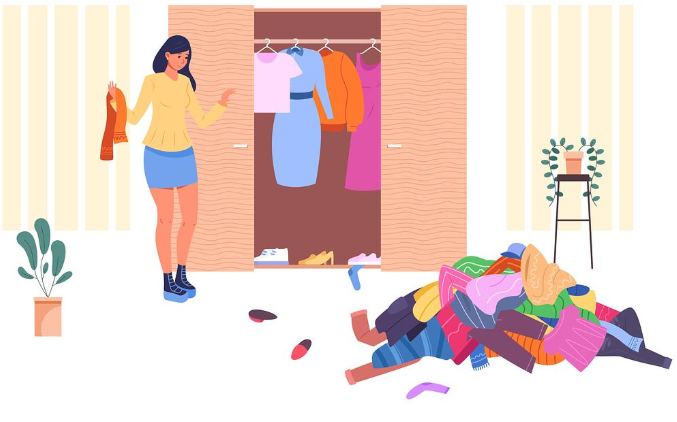
A closet cleanout isn’t just about making space; it’s about creating a wardrobe that actually works for your life right now. This guide walks you through seven practical tips to tackle your closet this New Year, from quick twenty-minute wins to smart sorting strategies that help you decide what stays and what goes.
You’ll learn how to use simple decision-making tools like the Wearability Flowchart, identify gaps in your wardrobe, and build habits that keep clutter from creeping back all year long. Plus, we’ll show you how shopping secondhand can help you fill those gaps with unique pieces.
Why the New Year Is the Best Time for a Closet Reset
The New Year is the perfect time for a closet cleanout, as it taps into what psychologists call the "fresh start effect." This natural motivation boost makes it a great moment to tackle projects like a closet clean-out, especially if visual clutter has been quietly stressing you out.
A crowded closet can make mornings harder than they need to be. When clothes pile up, it’s harder to visually see what you actually wear, which often leads to frustration and extra impulse purchases.
Each year, around 92 million tonnes of clothing end up as waste, so taking time to clean your closet and keep great pieces in rotation helps both your home and the planet. A more organized closet makes getting dressed easier, and helps you make space for what truly works.
Tip 1: Start With a 20-Minute Quick Win Session
Here’s a tried-and-true way to avoid overwhelm: set a timer for just twenty minutes and do a quick closet purge. These small wins build momentum and transform what feels like an impossible project into something totally achievable.
Start by pulling obvious items that you already know need to go. Use this checklist as you clean out your closet:
Damaged items - Clothes with torn seams, broken zippers, or permanent stains
Outdated pieces - Styles you haven’t worn in over a year
Duplicates - Multiple identical items, like several black t-shirts
Poor fit - Anything that no longer fits or feels uncomfortable right now
Remember, this first round of getting rid of certain items isn’t about perfection. It’s about momentum and creating breathing room in your closet space.
Tip 2: Use the Wearability Flowchart to Decide What Stays
The Wearability Flowchart is your step-by-step decision tool that asks four key questions: Fit, Function, Frequency, and Feeling. This method helps you declutter without second-guessing every single choice.
Fit - Does it fit your body comfortably today? If not, move it straight to your donate pile or tailor pile.
Function - Does this piece serve a genuine purpose in your current lifestyle across work, casual, and formalwear needs?
Frequency - Have you worn it in the past year? If it’s everyday clothes that you haven’t touched, question why they’re taking up valuable closet space.
Feeling - Does wearing this item make you feel confident and comfortable?
It’s okay if sentimental items slow you down. Even Marie Kondo’s famous “spark joy” method reminds us that honoring sentimental value doesn’t mean keeping everything forever. Your wardrobe should reflect who you are today, not just who you used to be.
Tip 3: Sort Like a Pro Using the 5-Category Method
Sorting everything in your closet into five clear categories prevents you from simply moving clutter around. This tried-and-true system keeps you organized and focused during your closet clean-out.
Create these five piles as you work through what to do with old clothes that no longer serve you:
Keep - Items you love, wear regularly, and fit your current life
Tailor - Pieces worth altering like hemming pants or taking in a blazer
Donate - Gently used items still in good condition that no longer serve you
Repurpose - Sentimental items that can be used to upcycle your clothes into something useful
Resell - Higher-value items you can sell online or at consignment shops
Trust your gut as you sort. If you get stuck on decluttering clothes, just use the Wearability Flowchart to guide your decision. And if you’re ready to donate your old clothes to Goodwill, you’ll be supporting job training and employment programs in your community while making space for what you actually love.
Tip 4: Identify Closet Gaps That Make Getting Dressed Hard
Pay attention to patterns in what you never reach for during your closet decluttering process. If you consistently avoid all skirts or never wear button-down shirts, that’s telling you something important about your personal style and lifestyle needs.
This is called “gap analysis,” which involves looking at what’s missing that would make daily dressing easier. Perhaps you need a go-to blazer, comfortable jeans, or an easy day-to-night dress to fit your current routine.
Keep a short list for a few weeks before shopping. When you’re ready, browsing secondhand on ShopGoodwill.com is a thoughtful way to find pieces that match your personal style without overbuying. Finding great second-hand dresses online can be a sustainable way to add versatile pieces.

Tip 5: Refresh Without Buying Anything (Yet)
Challenge yourself to a closet refresh by creating new outfit combinations using only the items you decided to keep. This helps you view your wardrobe with fresh eyes and discover styling possibilities you may have never noticed before.
Try simple formulas to get started, such as pairing jeans with a button-up shirt, a blazer, and sneakers, or layering a sweater over a dress with boots. Once you’ve experimented with new combinations, rearranging your closet can make a huge difference in how it feels and functions
Tip 6: Re-Organize Your Closet
Once you’ve cleaned out your closet, you might need to do some re-organization to reduce visual clutter and make it work for you. Start by:
Hanging by category - Group similar items together, then arrange by color
Folding chunky knits - Keep sweaters on shelves to prevent stretching on hangers
Using uniform hangers - Slim velvet hangers reduce visual clutter and create cohesion
Using a divider, drawer dividers, or storage containers to keep things organized and tidy
Think of your closet like a boutique, neat and tidy, with favorites front and center. This makes it easier to keep my closet clean and inspires new outfits without shopping.
Tip 7: Plan Your Post-Cleanout Wardrobe Strategy
To keep your closet clean, set simple rules for future shopping. One helpful habit is the thirty-day list: write down items and wait before making a purchase to avoid impulse buys. If you still want the item after that time, it’s likely a smart purchase rather than an impulse buy.
Try these easy guidelines:
One in, one out - For every new item, donate or sell one existing piece to maintain balance.
Secondhand first - Check a physical or online thrift store like ShopGoodwill.com before buying new clothes.
Focus on quality over quantity - Invest in versatile, well-made pieces that work across multiple outfits.
Intentional shopping and shopping secondhand not only saves money but also supports sustainability, helping you build a wardrobe that’s both stylish and responsible.
Tip 8: Maintain the Momentum All Year
An organized closet requires monthly maintenance to stay neat and tidy. Schedule a ten-minute closet edit once a month to prevent major cleanouts later, as it’s much easier than starting from scratch again.
During your monthly check-in, focus on these quick tasks:
Remove items - Let go of one or two pieces that no longer fit your style.
Check for damage - Add pieces needing repair to your tailor pile.
Reorganize - Tidy any messy areas like shoe racks or folded stacks.
Develop habits that keep your closet clean between monthly sessions. Hang clothes immediately after wearing them, keep a small donation basket for items you’re ready to release, and stick to your thirty-day list to avoid impulse purchases that undo all your hard work.
Start the Year Fresh and Let Your Next Favorite Item Surprise You
A thoughtful closet clean-out brings less stress, more clarity, and easier mornings, while creating a wardrobe that truly reflects who you are today, rather than who you used to be.
When you’re ready to add new pieces, shopping secondhand on platforms like ShopGoodwill.com offers endless possibilities for sourcing unique items.
Start small, trust the process, and enjoy the freedom of a closet that actually works for your life. The best part? You’ll be amazed at how much easier getting dressed becomes when everything in your closet is something you genuinely love to wear.
Sources:
Psychology Today. Fresh Starts: The Psychology Behind New Year Motivation. https://www.psychologytoday.com/us/blog/4000-mondays/202412/fresh-starts-the-psychology-behind-new-year-motivation
United Nations Environment Programme (UNEP). Unsustainable fashion and textiles in focus for International Day of Zero Waste 2025. https://www.unep.org/news-and-stories/press-release/unsustainable-fashion-and-textiles-focus-international-day-zero
U.S. Environmental Protection Agency (EPA). Frequent Questions regarding EPA's Facts and Figures about Materials, Waste and Recycling.https://www.epa.gov/facts-and-figures-about-materials-waste-and-recycling#Clothing