Whether you’re on the hunt for vintage jeans or retro home decor, ShopGoodwill.com is the perfect place to start your search and find the dreamy pieces you can make your very own. If you’re passionate about sustainability, love the thrill of the hunt, or are simply a devoted crafter, we’re proud to be an upcycler’s paradise.
Ready to learn how to spot hidden gems and bid with confidence? Master the art of creative upcycling with ShopGoodwill live auctions to take your craft to new heights. We’re sharing tips on finding diverse, valuable, and unique thrift items built to last—and prime for flipping.
What Is Creative Upcycling?
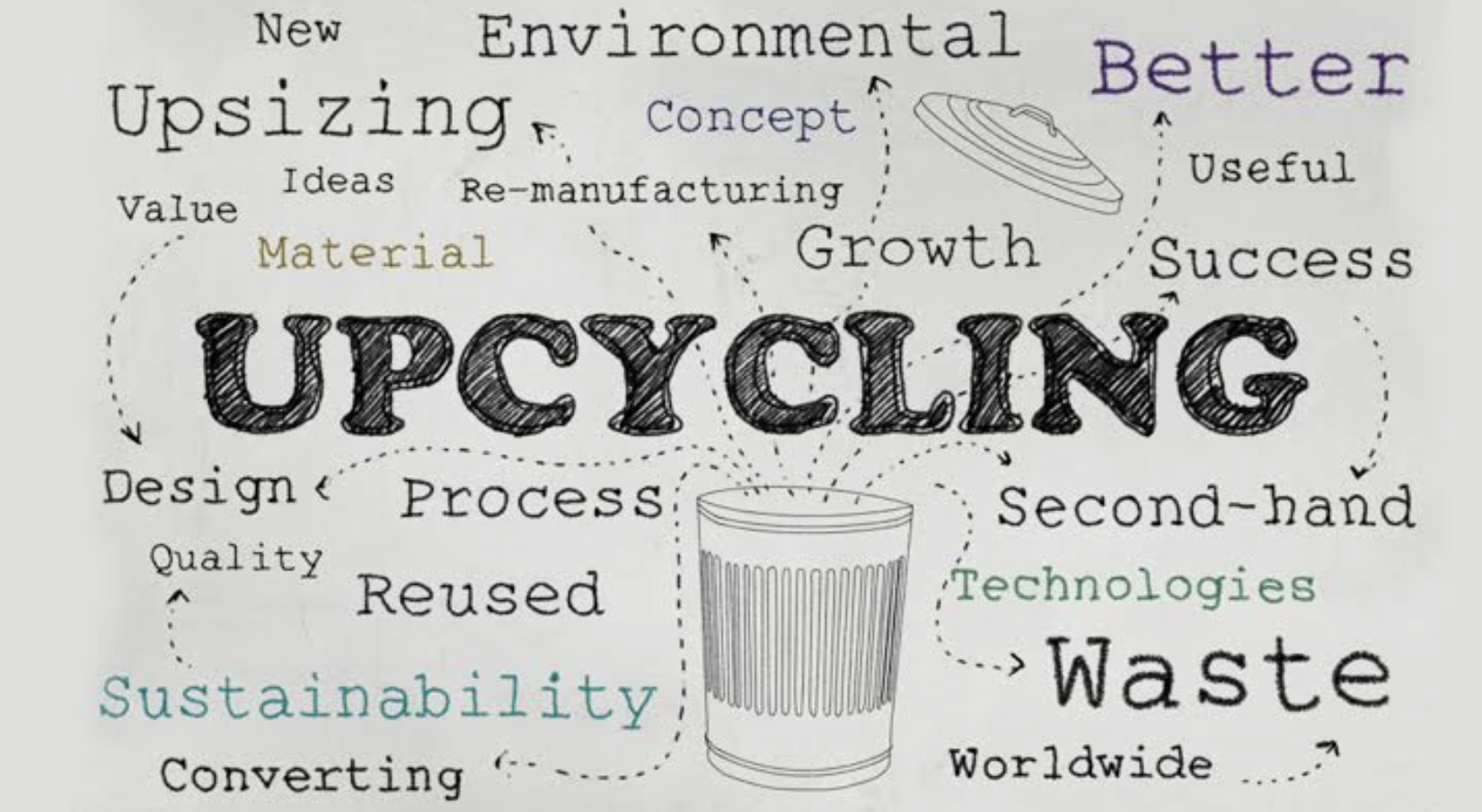
If you’re looking to reduce your carbon footprint, recycling can be a great place to start. But while standard recycling involves breaking down materials into their raw state, creative upcycling is all about leveling them up. Upcycling helps to create a circular economy, keeping materials in use longer and reducing greenhouse gas emissions in the process.
Pull out your crafting kit and tap into your creative side. When you upcycle, you’re helping build a more sustainable future, one of the major benefits of thrifting. Plus, you get to spark your imagination and let your own style shine.
Beyond the Basic "DIY"
When it comes to creative upcycling, the value lies in the “bones” of quality vintage collectibles. From wood chairs and metal tables to denim jackets and leather boots, your perfect project starts with a strong foundation built on the craftsmanship of years past.
Sustainability With a Purpose
Every repurpose helps keep something special out of the landfill. Through your upcycling efforts, you can help reduce waste, give items new life, and conserve resources, all while bringing a bit of artistic charm to your everyday.
The Value of "One-of-a-Kind"
Perhaps the best part of upcycling? Whatever you create is entirely unique to you. Whether you’re turning that well-loved shirt into a tote, a colorful vase into a candle holder, or a shoe into a funky planter, your upcycling journey is all your own.
From the functional to the decorative and the simple to the complex, feel free to let your imagination lead the way. A little effort goes a long way when refreshing your space, shaking up your style, and ultimately reducing waste.
And whether you’re getting in touch with your inner artist for the first time or are a creative upcycling pro, you get to enjoy the magic of making (and cherishing) something for years to come.
Material Matters
Have a bit of inspiration strike? That’s where the real fun comes in. But there’s nothing worse than eagerly diving headfirst into a new project only to find out your piece is not up to the upcycle. Flimsy or disposable materials can put a big damper on your efforts, so spotting solidly constructed thrift items is the key to success.
Identifying Natural vs. Synthetic Compositions
Whether you’re upcycling clothes or old furniture, you’ll want to find sturdy, high-quality pieces made to last through your project and beyond. And don’t worry—this can be done with ease, even in an online auction. Natural materials are the hallmark of high-value thrift items, so consider durable wool or solid wood to start.
Evaluating Mechanical and Structural Connections
If you’re looking for that ideal starting piece, there are a few tips to keep in mind to help you narrow your search. Here, precision is the name of the game.
Quality furniture pieces often have dovetail joints (super strong interlocking connections), while the sign of solid construction in handbags is heavy-duty metal zippers and reinforced stitching. You’ll want something you can clean, paint, and DIY without any damage, so keep your eyes peeled and your mind open.
Vetting Metal Purity and Plating
Whether you’re wondering what to do with old jewelry or interested in upcycling hardware, you may encounter a bit of tarnish. But don’t be alarmed. This can often signal that something is solid or plated brass, copper, or sterling silver that can be polished back to shiny and stunning. As a bonus, dark patina can also give items a more vintage feel and a bit of extra charm.
Assessing Branding and "Hallmarks" of Quality
Have your sights set on a particular brand? Beyond just a logo, look for technical stamps that verify value, like those that have the date and name the material. These can indicate high quality, helping you hone in on your next creative upcycling venture.
How to Verify What a High-Value Find Is
Need a hand getting started? Remember, creative upcycling is all about the details, so take a look at a few markers designed to help you shop (and bid) more strategically.
Researching Maker’s Marks
Here, patience is key. All our items at ShopGoodwill.com have been vetted and authenticated, but taking some time to scan photos for manufacturer’s tags and labels can ensure you score the one-of-a-kind thrift items of your dreams.
Assessing Structural Damage vs. Surface Wear
Even worn-down pieces can be brought back to life with a little TLC. Look for quality vintage collectibles with fixable cosmetic issues, but avoid any structural problems you think aren’t worth your upcycling efforts.
Using Auction History as a Guide
So, you found an item you love, but you’re not sure if you should splurge or play it safe? Thrifting can often give your wallet a big break and we work hard to keep our items affordable and accessible. But when in doubt, closed auctions on similar thrift items can provide a reference point when it comes to helping you decide on what you should spend.
However, only you can bring your vision to life. Your upcycling journey is all about what’s valuable to you, so don’t be afraid to treasure hunt on your terms.
Bidding Smart
Spot, bid, win, create. Whether you’re working on your latest home upgrade or getting ready to flip a piece for someone else, you may be interested in budgeting out your project.
Calculating the "All-In" Price
Set yourself up for success. Be sure to factor in shipping and handling before placing your final bid on ShopGoodwill live auctions so you know what to expect.
Setting a Price Ceiling
Upcycling projects can vary in terms of time commitment, required supplies, and cost. Think about what you’ll need to make your dream repurpose a reality (like sandpaper, primer, and fabric) before the clock runs out.
Snagging the “Sleeper” Listings
The thrill is in the search. If you’re looking for hidden gems practically begging to be upcycled, you can’t go wrong with generic listings. Think “Old Table” or “Wooden Box,” as this is where you can often find quality vintage collectibles others might overlook.
Sourcing Your Next Masterpiece
Your “before and after” moment is just a bid away. But you’ll want to make sure your creative upcycling project is worth the sweat. By narrowing your search, assessing your priorities, and adding a little imagination into the equation, you can make something that looks great—and is built to last.
Ready to find your next project? Explore the rare items available through ShopGoodwill live auctions and put these tips to the test. Sustainability, creativity, and a whole lot of fun awaits.
Plus, you can feel good about getting crafty, as shopping with us means creating job opportunities and providing skill-development resources to those who need a hand.
FAQs
What’s the best upcycling project to start with?
If you’re just getting started on your upcycling journey, experimenting with glass jars and bottles can be an easy way to flex your creative muscles, as these projects require minimal tools and provide limitless possibilities. Consider making them into vases or simply painting them to be displayed. Basic clothing, like t-shirts or old jeans, can also be great for beginners, as they can be made into totes, wall art, and more without any sewing.
Is it worth bidding on thrift items with visible wear and tear?
This really depends on the type of damage and the type of project. Water rings, light scratches, and tarnished metal are all relatively easy to fix, but you might want to avoid thrift items with larger cracks if you’re looking to maintain their original form.
Sources:
1. Institute for Environmental Research and Education. (2025, June 7). How does upcycling help the environment?https://iere.org/how-does-upcycling-help-the-environment/
2. National Environmental Education Foundation. (2021, May 20). At-home upcycle projects. https://www.neefusa.org/home-upcycle-projects