Will Xbox’s Future Make Older Physical Games More Collectible?
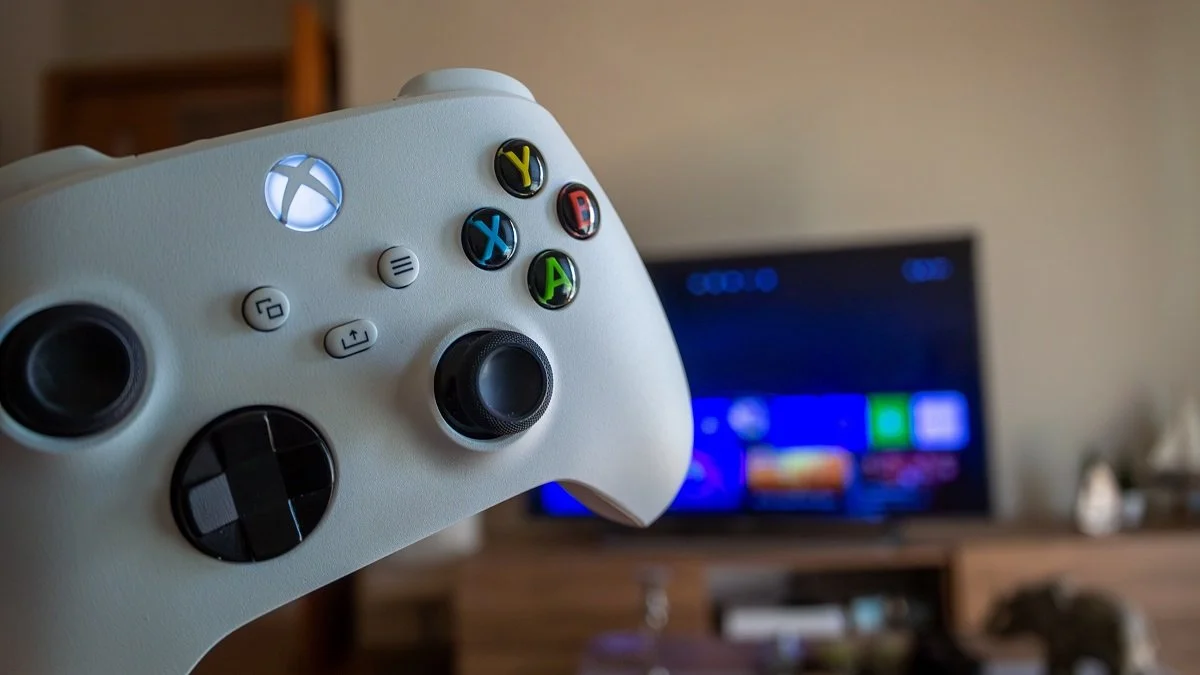
If you’ve spent any time online lately, you’ve probably seen the chatter: rumors that Xbox is “going away” or abandoning consoles altogether. It’s the kind of headline that spreads fast, but doesn’t quite tell the full story.
In reality, Xbox isn’t disappearing. Instead, it’s evolving. With a stronger focus on digital services, cloud gaming, and subscriptions, the brand is shifting how players access and experience games. Whenever the industry changes like this, it tends to spark a familiar question among collectors and thrifters alike:
What happens to physical games when everything starts going digital?
Let’s take a closer look at what’s really happening and why it might make older Xbox games more interesting to collectors over time.
The Shift Toward Digital-Only Gaming
Gaming has been moving toward digital downloads for years, and lately, that shift has become much more noticeable. Instead of buying discs, many players now prefer instant access—no waiting, no swapping, just jump in and play.
A few key changes are driving this shift:
Subscription services like Game Pass: Players can access a large library of titles for a monthly fee instead of buying individual games.
Convenience: Downloading a game is often faster and easier than tracking down a physical copy.
Changing habits: Many players now prioritize access over ownership, especially for newer releases.
But here’s the interesting part: while digital access is growing, physical media hasn’t completely lost its appeal. In fact, for a certain kind of player: the collector, the nostalgia-driven fan, or the treasure hunter, it may be becoming even more meaningful.
Plenty of players are revisiting older systems and browsing used gaming consoles for sale to relive favorite titles or start a collection from scratch.

What Happens When Physical Production Slows?
When fewer physical copies are produced, something simple but powerful starts to happen: supply shrinks.
And as supply shrinks, demand can shift in unexpected ways.
We’ve seen this before with older systems. Think back to the NES, N64, or even PS2. At one point, those games were everywhere. They were stacked on shelves, traded between friends, or tucked away in storage. Now, certain titles from those eras are much harder to find, especially in good condition.
That doesn’t mean every game suddenly becomes valuable. But it does mean that availability changes over time, and that alone can make certain titles feel more special.
Honestly, for collectors, it’s often less about the guaranteed value and more about the experience, like:
Finding a complete copy in great condition
Tracking down a game you remember from years ago
Discovering something unexpected in a secondhand listing
As physical production slows for newer generations, we may see a similar pattern emerge for Xbox titles.
Are Xbox 360 and Xbox One Games Entering “Retro” Status?
It might feel a little strange to think about, but the Xbox 360 era is now approaching the classic 15–20-year nostalgia window. That’s usually when games start to shift from “old” to “retro” in the eyes of collectors.
For many players, the Xbox 360 represents a specific moment in time: late nights playing online, local multiplayer sessions with friends, and discovering new franchises for the first time. The Xbox One, while more recent, is starting to follow a similar path.
As that nostalgia builds, so does interest in physical copies of Xbox 360 and Xbox One games—especially ones that are:
Complete with original cases and manuals.
In excellent condition.
Still sealed or barely used.
There’s also a growing appreciation for the tactile side of gaming. Holding a physical case, flipping through a manual, and seeing artwork up close—it’s a different experience than scrolling through a digital library.
We’re already seeing early signs of this shift, with some collectors paying closer attention to valuable Xbox 360 games, in particular. It’s not a sudden surge, but more of a steady, gradual rise in interest.
Factors That Could Increase Collectibility
Not every game becomes collectible, but certain patterns tend to show up again and again. If you’re browsing secondhand listings, these are a few things worth keeping an eye on:
Delisted digital titles: Once a game disappears from online stores, physical copies may become the only way to play it.
End-of-generation releases: Games released late in a console’s life often have smaller print runs.
Limited editions: Special packaging, bonus content, or unique artwork can make a copy stand out.
Popular franchises: Well-known series with loyal fan bases tend to stay relevant longer.
None of these guarantees future value, but they do help explain why some titles become harder to find and more interesting to collectors over time.
Start Hunting for Retro Finds at ShopGoodwill.com
If you enjoy the thrill of the hunt, ShopGoodwill.com is a great place to start. Inventory is always changing, with consoles, retro video games, and bundles appearing from Goodwill locations across the country.
That constant rotation means every visit feels a little different—you never know when a familiar favorite or a harder-to-find title might show up.
You can also browse used gaming consoles for sale to pair with your collection. With every purchase, you’re helping support community programs while giving classic games a second life.